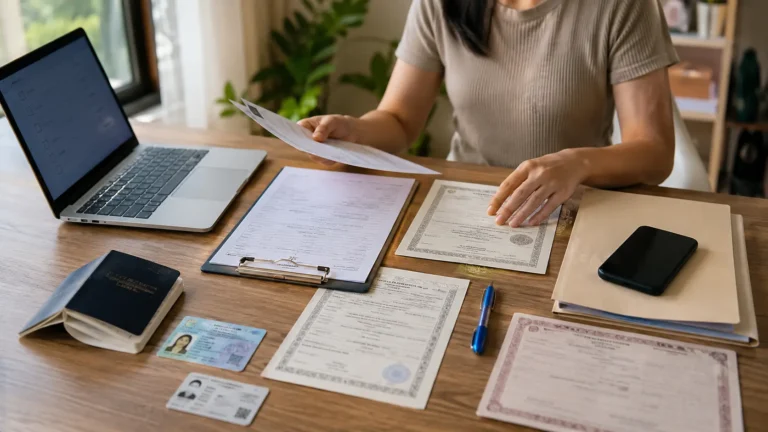
What Is a PhilHealth Authorization Letter?
A PhilHealth authorization letter is a short written document that lets another person process your PhilHealth transaction when you cannot go to the branch yourself. It names the person you are authorizing, describes exactly what they are allowed to do, and carries your signature to prove that you agree to it. Without this letter, PhilHealth staff will almost always turn away a representative, even a spouse or parent, because the agency has no proof that you gave permission.
Think of it as your voice inside the branch when you physically cannot be there. Many members need this letter because of work schedules, distance from the nearest PhilHealth office, pregnancy, illness, or because they are working abroad as an OFW. The letter itself is simple, but PhilHealth is strict about what it must contain, and a poorly written one is one of the top reasons transactions get delayed or rejected on the spot.
When Do You Need an Authorization Letter for PhilHealth?
You need an authorization letter for PhilHealth any time someone other than you will personally submit, claim, or update your records at a PhilHealth branch, since the agency requires written proof that you approved the representative and the specific transaction.
This applies to a wide range of everyday situations, not just one type of request. Below are the most common reasons members search for this document.
In short, if the transaction requires presenting your PhilHealth number, MDR, or ID and you will not be physically present, you need this letter. PhilHealth branches enforce this rule consistently across the country, whether you’re in Metro Manila or a provincial office. If you’re applying for your first ID or replacing a lost one, read our complete PhilHealth ID guide covering the application process, requirements, and validity.
Who Is Eligible to Receive Your Authorization?
You can authorize almost anyone you trust, such as a spouse, parent, sibling, adult child, relative, or even a close friend or co-worker, as long as they bring a valid ID and the required documents listed in your letter.
PhilHealth does not require the representative to be a blood relative, though family members are the most common choice. What matters more to PhilHealth staff is that the letter is specific, properly signed, and supported by the correct identification documents. If you are sending a domestic helper, driver, or company liaison officer, the same rule applies. Just make sure the letter names that exact person and describes the transaction clearly, since a vague or generic letter increases the chance of being questioned at the window.
Requirements When Using an Authorization Letter
Bringing the letter alone is not enough. PhilHealth staff typically ask for three things together, which some members refer to informally as a complete transaction set.
|
Requirement |
Whose Copy |
Notes |
|
Signed authorization letter |
Original |
Must state the specific transaction and representative’s name |
|
Valid ID of the member (principal) |
Photocopy, sometimes original if available |
Government-issued ID with photo and signature |
|
Valid ID of the representative |
Original |
Must match the name written in the letter exactly |
Some transactions ask for additional supporting papers depending on the request. For example, claiming an ID may require the claim stub, while updating an MDR may require a copy of the PMRF or a document such as a marriage certificate, birth certificate, or valid ID showing the correction needed. Always double-check with the specific branch beforehand, since minor differences in requirements can happen between local offices, especially in less urbanized areas. Depending on your transaction, additional documents may be required. Check our complete PhilHealth Requirements guide for the latest document checklist by member type.
How to Write a PhilHealth Authorization Letter (Step-by-Step)
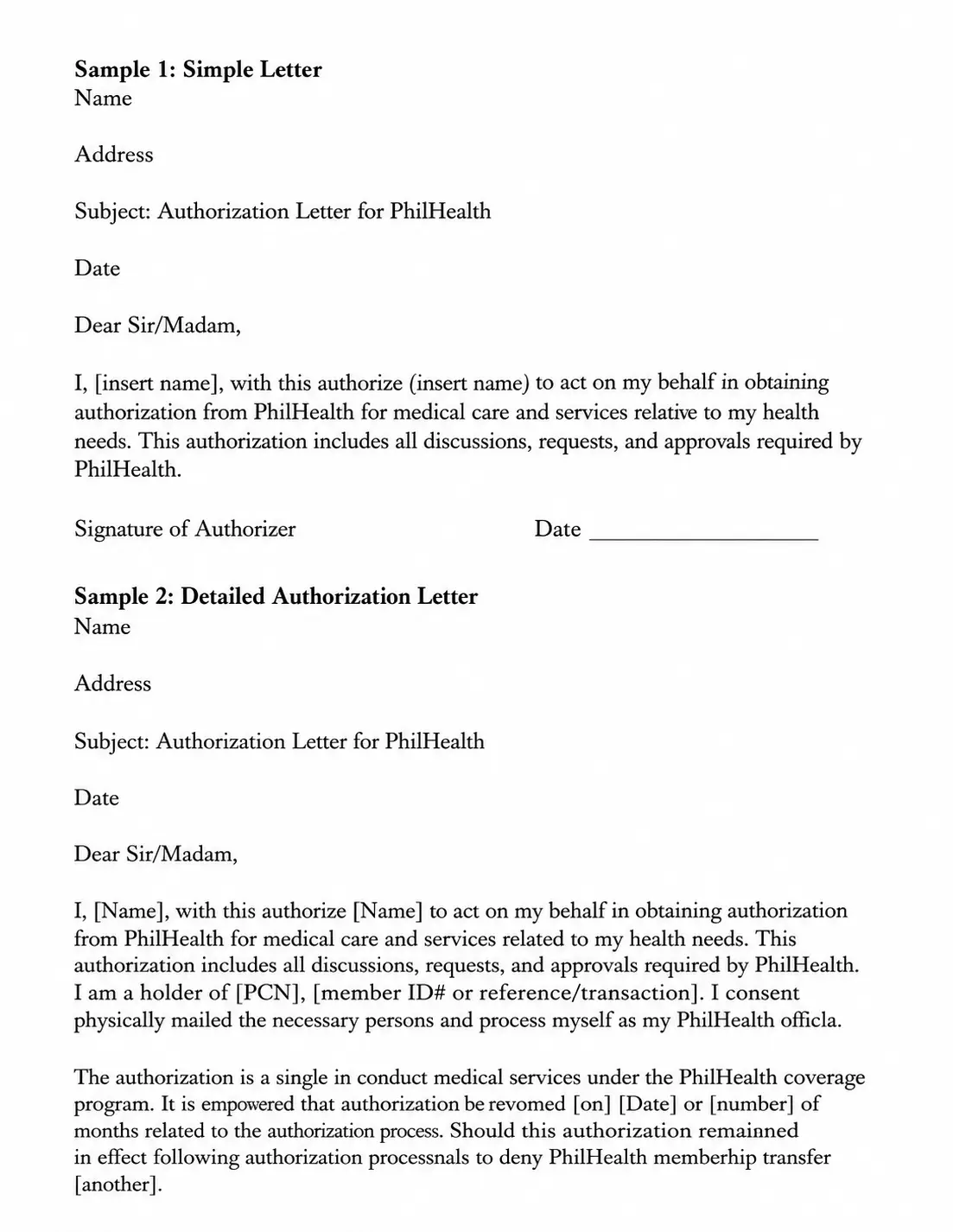
Writing this letter does not need a lawyer or a special form. PhilHealth accepts a plain, handwritten, or typed letter as long as it follows a clear and complete format. Here is the process broken down into simple steps.
Following this order keeps the letter easy to scan for busy PhilHealth staff, which speeds up your transaction instead of causing back-and-forth questions.
Key Elements Every Letter Must Include
To avoid missing anything, make sure your finished letter contains all of the following:
Skipping even one of these, particularly the PhilHealth Identification Number or a specific transaction description, is a common reason letters get flagged during verification.
How Long Does the Process Take?
Most authorization letter transactions at a PhilHealth branch are completed within 15 to 30 minutes, provided the letter and supporting documents are complete and correctly filled out.
Simple transactions such as claiming an ID or getting a copy of your MDR usually finish quickly once the representative is verified. However, more complex requests like correcting personal information, transferring a dependent, or processing an OFW-related update may take longer, sometimes requiring a follow-up visit or additional verification from the PhilHealth database.
Weekday mornings tend to have shorter lines than lunchtime or the last week of the month, so timing your visit can save you a lot of waiting. Need to download or check your Member Data Record (MDR) before sending a representative? Learn how to access it through the complete PhilHealth Portal guide.
Is There a Fee for Using an Authorization Letter?
Writing and submitting an authorization letter itself is free; PhilHealth does not charge anything for accepting or verifying it.
The only costs involved come from the transaction itself, not the letter. For instance, if your representative is there to pay your monthly contribution, that payment amount still applies as usual. Getting a certified copy of certain documents may also carry a small processing fee at some branches, but this depends on the specific request and not on the authorization letter.
Common Mistakes That Cause Rejection
Many members lose an entire trip to the branch because of small, avoidable errors. Being aware of these ahead of time saves both your representative’s effort and your own.
Troubleshooting: What to Do If Your Letter Gets Rejected
If your representative’s transaction gets refused at the counter, do not panic since most issues are fixable quickly. First, ask the staff member exactly which requirement is missing or incorrect, since PhilHealth branches can vary slightly in what they double-check. Second, have your representative call or message you immediately so you can send a corrected letter, a clearer ID copy, or any missing document through email or messaging apps for reprinting nearby.
Third, if the issue involves a document only you can provide, such as an original certificate, ask the branch if they can hold the transaction temporarily or advise on the fastest way to complete it, such as returning the next business day with the complete requirements.
Need to find the nearest PhilHealth office? Use PhilHealth Near Me guide to locate the closest branch or PhilHealth Express outlet.
Special Cases
Authorization Letter for OFW Members
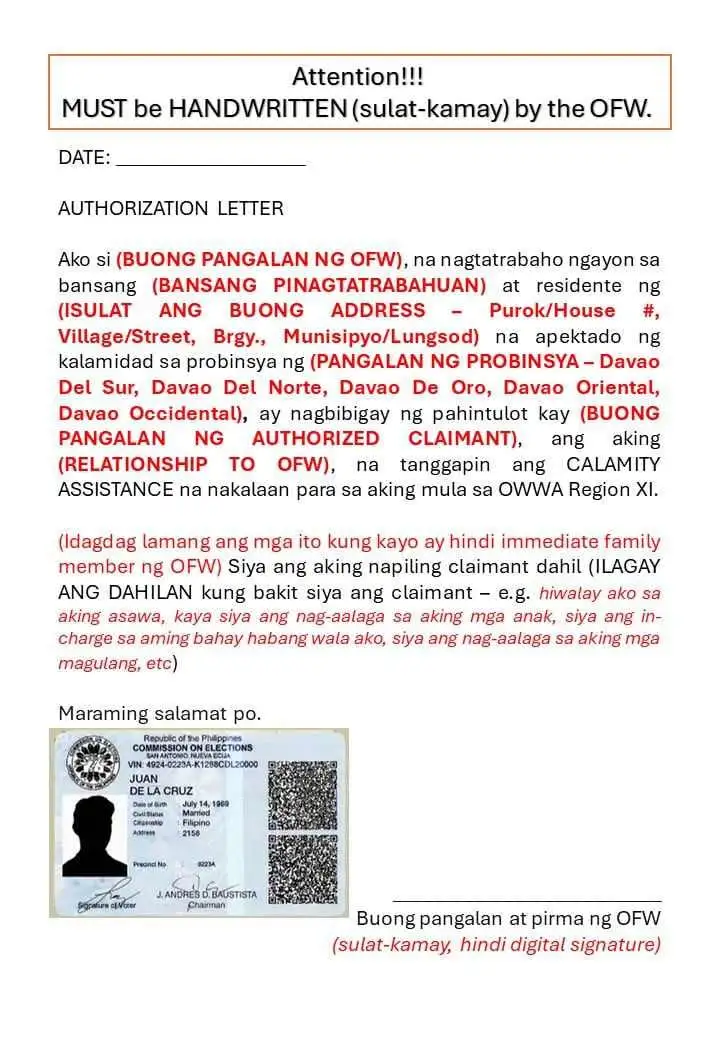
OFWs frequently need someone in the Philippines to process contributions, claim an ID, or update records while they are working abroad. The same letter format applies, but it’s helpful to mention your OFW status and, if possible, have the letter notarized or authenticated at the Philippine Embassy or Consulate in your host country if the transaction involves a large claim or refund. This extra step is not always required, but it adds credibility, especially for higher-value transactions.
Authorization Letter for MDR Requests
When your representative is claiming or updating your Member Data Record, name the specific update clearly, whether it’s a change in employer, civil status, or dependent information. If the update needs a supporting legal document, such as a marriage certificate for a name change, attach a photocopy along with the letter.
Authorization Letter for Dependents or Beneficiary Transfer
Adding a new dependent or transferring a beneficiary requires more scrutiny from PhilHealth since it affects who receives benefits. Along with the standard authorization letter, prepare the PMRF, a copy of the dependent’s birth or marriage certificate, and valid IDs for both the member and the representative.
Authorization Letter for Claiming a PhilHealth ID
This is one of the simplest transactions, but the representative must still bring their own valid ID along with the letter and, if issued, the claim stub given during registration.
Tips for a Smooth, Trouble-Free Transaction
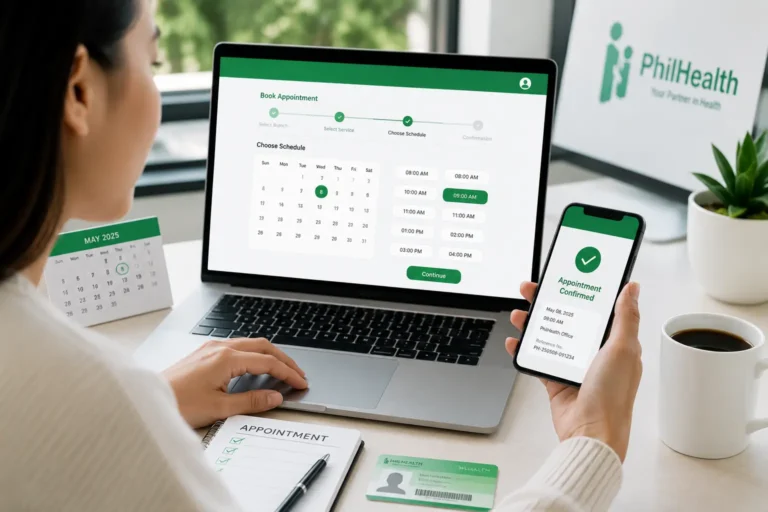
To reduce waiting time at the branch, consider booking Philhealth Online Appointment before your representative visits the PhilHealth office.
Frequently Asked Questions

I’m Dayon, and I run PhilHealthPH.com. I got tired of confusing, outdated instructions every time I had to deal with PhilHealth online, so I started writing the guides I wished existed — clear, current, and focused on actually getting the task done. Everything here is checked against PhilHealth’s official site and updated whenever their process changes.